

Aging affects digestive health by slowing motility, reducing enzyme production, and changing the gut microbiome; these shifts can lead to bloating, constipation, and acid reflux. When these changes occur, a gastroenterologist can evaluate them to recommend an appropriate treatment plan. Here is more information on digestive health, how aging affects it, and what gastroenterology care involves:
What Is a Gastroenterologist?
A gastroenterologist is a physician who specializes in diagnosing and treating conditions affecting the digestive system. This includes the following organs:
- Esophagus
- Stomach
- Small intestine
- Colon
- Liver
- Pancreas
- Gallbladder
Gastroenterologists complete training focused specifically on how these organs function together, and this expertise allows them to identify conditions that may be difficult to diagnose otherwise. Patients benefit from seeing a gastroenterologist for symptoms like persistent heartburn, unexplained weight loss, or changes in bowel habits.
What Is Digestive Health?
Digestive health refers to how well the gastrointestinal (GI) tract breaks down food, absorbs nutrients, and eliminates waste. When any part of this process slows down or malfunctions, symptoms like bloating, gas, or irregular bowel movements can follow. These symptoms may signal an underlying condition that warrants further evaluation, and a gastroenterologist will provide effective management strategies. Diet, hydration, and physical activity all influence digestive health.
How Does Aging Impact It?
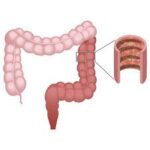
Aging brings several physiological changes that affect digestion, and their severity varies by individual. Peristalsis slows. This slower movement can lead to constipation and a higher likelihood of diverticulosis, which is a condition where small pouches form in the colon wall. If left unaddressed, this condition may cause discomfort and additional complications.
The body may produce less stomach acid and fewer digestive enzymes as it ages. This reduction can make breaking down food, especially proteins and certain vitamins, more difficult, and it potentially lowers the absorption of vitamin B12, calcium, and iron. Deficiencies develop. The esophageal sphincter, which is the muscle that prevents stomach acid from moving upward, tends to weaken with age.
The gut microbiome shifts with age, and these shifts may reduce microbial diversity. Immune responses weaken, which potentially increases susceptibility to digestive infections. Medications commonly prescribed for age-related conditions, such as those used for blood pressure or pain management, can further disrupt digestion by altering gut motility or irritating the stomach lining.
How Can a Specialist Help?
A gastroenterologist identifies the underlying cause of digestive symptoms rather than treating them in isolation. Before recommending diagnostic testing, the specialist reviews medical history, current medications, and symptom patterns to fully understand the patient’s condition. Common diagnostic tools include endoscopy, colonoscopy, and imaging studies. Each offers a direct view of the digestive tract, and together they provide a comprehensive understanding of its condition.
Treatment plans vary depending on what the evaluation reveals, and the approach is tailored to each patient’s specific needs. Some patients benefit from dietary changes, such as increasing fiber intake or reducing trigger foods that worsen reflux. Others require medication adjustments to manage acid production or improve motility. Gastroenterologists monitor patients over time, tracking changes in the microbiome, nutrient absorption, and organ function. Because colorectal cancer becomes more prevalent with age, this ongoing partnership allows for earlier detection.
Learn More About Digestive Health
Digestive health naturally shifts with age, from slower motility to changes in enzyme production and gut bacteria. Recognizing these patterns early makes it easier to address symptoms before they affect daily life, and a gastroenterologist offers the specialized insight needed to distinguish between normal aging and conditions that require treatment. If you notice persistent digestive changes, schedule a consultation with a gastroenterologist to discuss your symptoms and screening options.