Recovering from an orthopedic injury or surgery involves collaborative care. Orthopedic surgeons and physical therapists work side by side to treat musculoskeletal conditions; their involvement spans from diagnosis through recovery. Because each professional brings distinct skills to patient care, their combined approach may lead to better outcomes than either discipline alone. Here is more information on the roles of orthopedic surgeons and physical therapists:
What Are Orthopedic Surgeons?
Orthopedic surgeons are medical doctors who specialize in diagnosing and treating musculoskeletal conditions; this system includes bones, joints, ligaments, tendons, and muscles. Patients may see an orthopedic surgeon for fractures, joint pain, torn ligaments, or degenerative conditions like arthritis. Treatment options range from nonsurgical approaches to surgical procedures. Because conservative treatment sometimes resolves the problem, these surgeons usually recommend it first. They reserve surgical intervention for cases where other methods have not worked.
What Are Physical Therapists?
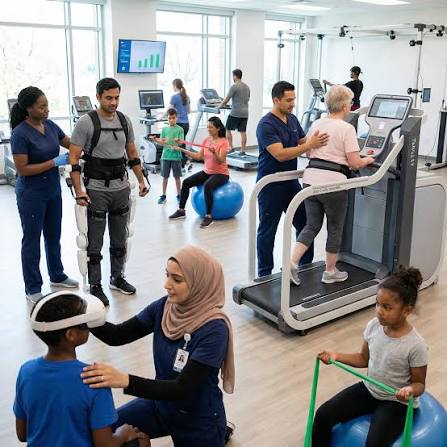
Physical therapists are licensed healthcare providers trained to evaluate and treat movement impairments. A physical therapist develops an individualized treatment plan based on a patient’s specific condition, goals, and physical limitations. This plan may include:
- Stretching routines to improve flexibility and range of motion
- Strength-building exercises to support affected muscles and joints
- Balance training to reduce the risk of falls and re-injury
- Hands-on techniques to reduce stiffness and pain
How Do They Collaborate?
Orthopedic surgeons and physical therapists coordinate care throughout the treatment process. This coordination may begin before surgery, and it continues after the procedure is complete. Before surgery, a physical therapist may work with a patient to build strength and flexibility, which helps improve surgical outcomes. After surgery, the orthopedic surgeon outlines specific precautions and goals, and the physical therapist then translates them into a structured rehabilitation plan.
Complex injuries or injuries involving multiple joints require closer collaboration. In these cases, orthopedic surgeons and physical therapists may consult directly, and they discuss which exercises to avoid or modify based on surgical technique. This coordination helps reduce the risk of complications, such as reinjury from premature strain on healing tissue, while keeping recovery on track. When providers communicate directly, they develop a shared understanding of the surgical repair.
How Is Comprehensive Care Beneficial?
A coordinated approach between orthopedic surgeons and physical therapists offers several benefits. Patients receive a treatment plan that addresses both the medical and functional aspects of their condition, rather than treating these elements in isolation. Recovery timelines are potentially more predictable when both providers align on goals and progress markers, and patients can plan around those markers more easily.
Comprehensive care also reduces communication gaps; these gaps can lead to delayed healing. When a surgeon and physical therapist share information consistently, patients receive clear instructions instead of conflicting advice from different sources. This consistency helps patients stay engaged in their recovery. It also supports proper exercise performance.
This collaborative model supports better long-term outcomes. When patients work with both an orthopedic surgeon and a physical therapist, they may regain strength and mobility more fully. They may also be less likely to re-injure. Some conditions require ongoing management, such as chronic joint pain. For these conditions, the partnership provides a framework to adjust treatment as needs change over time, and healthcare providers keep care aligned with the patient’s current condition.
Seek Professional Care Today
Orthopedic surgeons and physical therapists each play a distinct part in treating musculoskeletal conditions. Surgeons address the underlying structural issue, while physical therapists guide the functional recovery that follows. If you’re dealing with a bone, joint, or muscle condition, seek care from a team that includes both specialties.