
The shape of your feet plays a large role in how you stand, walk, and move throughout the day. One common structural trait many people share is flat feet, a condition where the arches on the inside of the feet are lower than usual or absent altogether. Some people are born with this foot structure, and others develop the trait over time.
What Is Flat Feet?
Flat feet describe a foot structure in which the arch touches or nearly touches the ground when standing. A typical foot has a gentle curve along the inner edge, and it is supported by tendons and ligaments that work together to give the foot shape and strength. When those supporting tissues are loose, stretched, or shaped differently, the arch may flatten.
There are two general types. Flexible flat feet appear flat when a person stands but show an arch when the foot is lifted off the ground. This form is common. Rigid flat feet remain flat whether the foot bears weight or not, which is less common. This condition can affect one foot or both, and the degree of flattening varies from person to person. Several factors contribute to the condition. Genetics can play a part, since foot structure typically runs in families. The tendons that support the arch weaken over the years, so age is another possible factor.
What Are the Symptoms?
People with flat feet may notice no signs, and they go about daily life with little difficulty. Symptoms tend to center on the feet, but they can extend to other areas of the body. Aching or fatigue along the inner side of the foot or arch is one of the most common experiences. Because the alignment of the feet influences how the rest of the body moves, discomfort can spread to nearby areas like the ankles, knees, hips, or lower back. Symptoms may come and go depending on activity levels and footwear. Because these signs can overlap with other foot concerns, an evaluation helps clarify what is happening and what steps to take next.
How Is It Managed?
Management of flat feet depends on whether the condition causes discomfort and how much it affects daily activity. This condition produces no symptoms for some individuals, and treatment may be unnecessary. When discomfort is present, a range of non-surgical approaches can be the starting point.
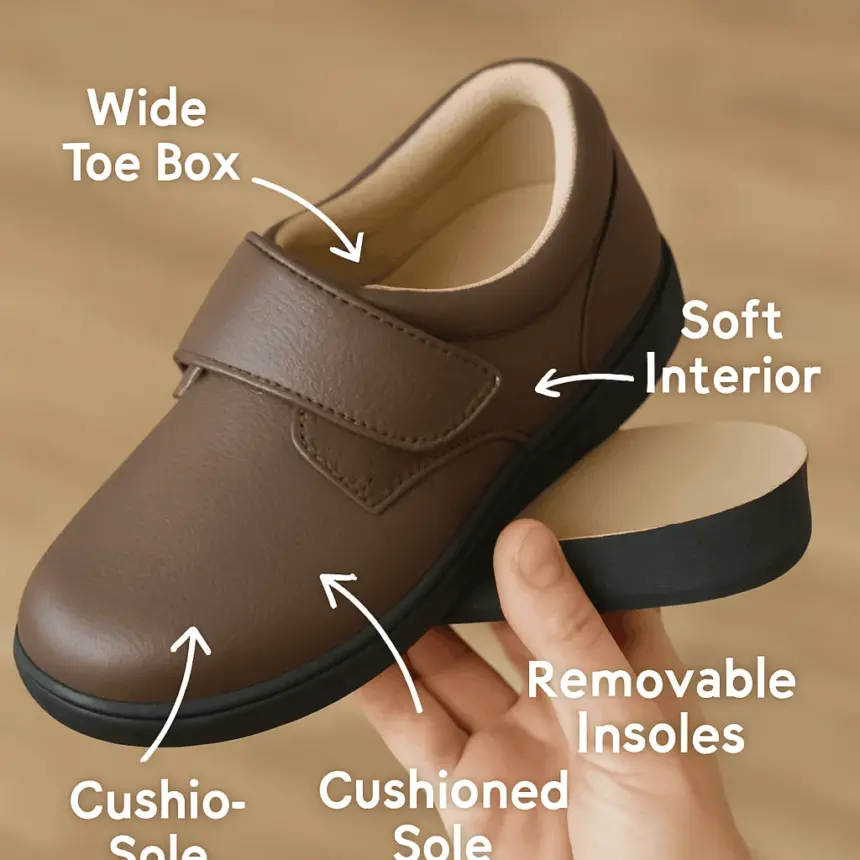
Supportive footwear with firm heel support, as well as adequate room, helps reduce strain on the feet. Custom or over-the-counter shoe inserts, known as orthotics, are used to add arch support, and they may improve the way weight is spread across the foot. Rest, activity adjustments, and cold therapy can address flare-ups after strenuous use.
For cases that do not respond to these measures, a specialist may explore other options. Physical therapy can strengthen the muscles that support the foot and improve movement patterns. In a smaller number of situations where structural problems are significant, surgical procedures may be discussed. The right approach to treatment varies from one individual to the next, and it depends on the underlying cause and the goals of the person seeking care.
Confer With a Podiatrist
Flat feet are a common trait, and the experience differs from one person to another. If you notice ongoing aching or changes in how you walk, a podiatrist can examine your feet, identify the cause, and outline options suited to your situation. A professional evaluation may offer a practical plan for keeping your feet functional over time.