

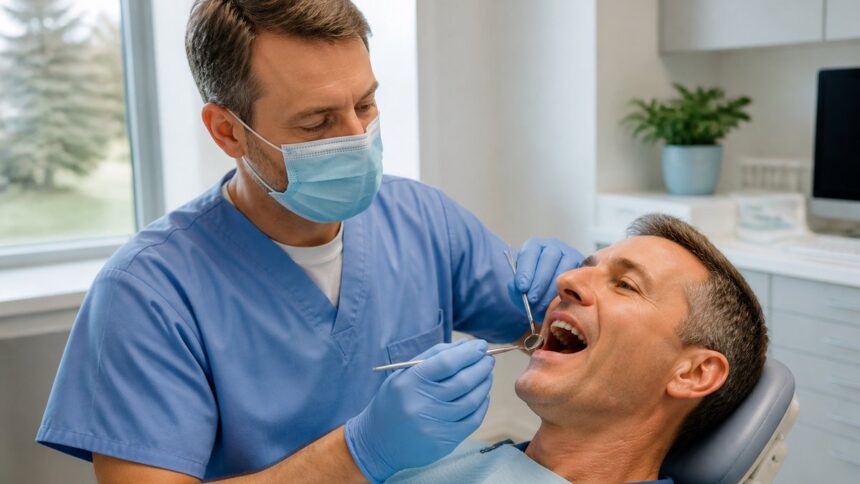
Dental restorations address damaged or missing teeth while supporting oral function and appearance. When restorations fit properly, they can support comfortable chewing and natural speech. Because restorative needs vary, dentists recommend personalized treatments that address tooth structure, bite alignment, and aesthetic preferences. Here is more information about the benefits of dental restorations:
Strengthening Teeth With Crowns
A dental restoration addresses weakened teeth that have experienced damage from decay, fractures, or wear. Depending on the restoration type, treatment helps reinforce tooth structure and distribute pressure during chewing. Restorations also restore tooth shape and support normal oral function. Dentists may recommend tooth-colored materials that complement the appearance of surrounding teeth.
During treatment, dentists reshape the affected tooth to accommodate the crown. Digital impressions provide detailed measurements, and dentists use this information to create a customized restoration. Depending on the treatment process, patients may receive a temporary crown or a same-day permanent restoration. Once the crown is placed, dentists evaluate bite alignment and contact with neighboring teeth. Properly fitted crowns support comfortable chewing and routine oral hygiene.
Replacing Teeth With Bridges
Dental bridges replace missing teeth by filling gaps and restoring the appearance of a smile. A traditional bridge consists of a replacement tooth supported by crowns placed on neighboring teeth. Because missing teeth allow surrounding teeth to shift, bridges help maintain proper spacing and alignment. The restoration also provides a stable chewing surface, while customized materials complement surrounding natural teeth. Benefits of dental bridges include:
- Restoring Chewing Function: Providing a continuous biting surface to support comfortable eating.
- Maintaining Tooth Alignment: Limiting the movement of neighboring teeth into empty spaces.
- Improving Smile Appearance: Filling visible gaps with restorations that resemble natural teeth.
- Supporting Bite Stability: Distributing chewing forces across supporting teeth.
- Supporting Oral Hygiene: Maintaining tooth spacing while allowing cleaning around and beneath the restoration.
Restoring Smiles With Veneers
Dental veneers are thin shells that cover the front surfaces of teeth to address cosmetic concerns. Dentists may recommend veneers for teeth that appear chipped, discolored, worn, or uneven. During treatment planning, providers evaluate tooth shape and shade to create restorations that complement surrounding teeth. Veneers typically require some enamel removal, but they preserve more natural tooth structure than full-coverage crowns. Each restoration is customized to reflect the patient’s aesthetic preferences.
Providing Dental Implant Restorations
Dental implant restorations replace missing teeth using implants anchored within the jawbone. Depending on the number of missing teeth, dentists may recommend individual crowns, bridges, or full-arch prostheses. Implant-supported restorations provide a stable foundation for chewing and speaking without relying on neighboring teeth for support.
Dentists customize implant restorations to match the shape and size of surrounding teeth. During treatment planning, providers evaluate tooth spacing and bite alignment. Properly contoured restorations support routine oral hygiene, while balanced bite alignment helps distribute chewing pressure.
Implant restorations address aesthetic concerns alongside functional needs. Because each patient’s smile differs, dentists select restoration materials and shades that complement natural teeth. Customized crowns and bridges help maintain the natural contours of the smile. Dentists also provide guidance on cleaning around implant restorations. Regular dental evaluations allow providers to monitor restoration stability and surrounding gum health.
Schedule Your Dental Restoration Evaluation
Dental evaluations help identify restorative treatment options based on individual oral health needs. During consultations, dentists assess tooth damage and discuss concerns regarding oral function and appearance. X-rays and bite assessments provide additional information, while treatment recommendations reflect each patient’s restorative goals. Schedule a dental restoration consultation today to explore available treatments and develop a personalized care plan.