Rehabilitation and integrative medicine facilities are clinics that combine conventional medical care with complementary therapies to support recovery and long-term wellness. These facilities often bring together physicians, physical therapists, chiropractors, and other licensed providers under one roof. Care plans at these clinics focus on addressing the whole person, aiming to improve more than symptoms alone. Shockwave therapy is one noninvasive option that many of these facilities offer to patients seeking pain relief. Here’s more information on shockwave therapy and how integrative medicine facilities focus on mobility, strength, nutrition, and lifestyle factors to improve health:
Stimulating Biological Processes
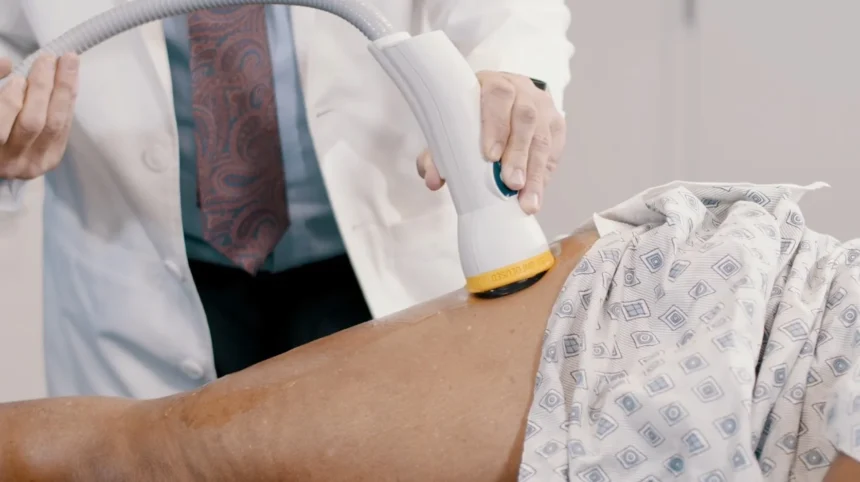
Shockwave therapy, also called extracorporeal shockwave therapy (ESWT), is a noninvasive treatment that delivers acoustic energy to targeted areas of the body. A handheld applicator transmits pulses of high-energy sound waves through the skin into the underlying muscles, tendons, ligaments, or bone. These pulses create mechanical stress at the cellular level. Medical specialists believe this stress helps trigger a response that activates the body’s natural repair processes. There are two main types of ESWT:
- Focused shockwave therapy concentrates energy on a precise point at a greater depth.
- Radial shockwave therapy spreads energy across a wider, more superficial area.
A medical provider selects the type, intensity, and number of pulses based on the condition’s location and nature. Sessions usually last 10 to 20 minutes, and most treatment plans include several sessions spaced about one week apart. The acoustic energy may stimulate cellular activity, release growth factors, and promote new blood vessel formation. These effects are thought to support tissue repair in areas where healing has slowed or stalled.
Reducing Pain
Chronic pain can persist when damaged tissue fails to heal fully, and poor blood flow further limits the oxygen and nutrients reaching the injured area. ESWT sessions aim to address pain by encouraging the growth of new blood vessels, a process known as neovascularization. Improved circulation helps deliver the resources tissues need to regenerate more effectively.
As tissues repair, inflammation and tension in the area may decrease. Some patients report reduced discomfort after a series of treatments, but individual results vary widely. Shockwave therapy may not be appropriate for people who are pregnant, have certain blood clotting disorders, or have a pacemaker near the treatment area.
Providers commonly use ESWT for musculoskeletal conditions such as:
- Plantar Fasciitis
- Achilles Tendinopathy
- Tennis Elbow
- Jumper’s Knee
- Rotator Cuff Tendinopathy
This therapy option is best for soft-tissue musculoskeletal injuries, so not all causes of chronic pain may benefit. A licensed integrative medicine provider can evaluate whether a patient’s condition and medical history make them a suitable candidate for this treatment.
Breaking Down Areas of Calcification
Calcium buildup can cause stiffness, limit range of motion, and contribute to ongoing discomfort. Calcification occurs when calcium deposits build up in soft tissues such as tendons. These deposits commonly form in the shoulder, a condition known as calcific tendinitis. Shockwave therapy delivers acoustic pulses directly to the calcified area, and the mechanical energy helps break the deposits into smaller particles. The body can then absorb and clear these particles through its natural processes. Providers may use imaging, such as ultrasound or X-rays, to locate deposits before treatment.
Benefit From Shockwave Therapy
ESWT does not require incisions or anesthesia, and patients can typically return to normal activities shortly after a session. This noninvasive treatment uses acoustic energy to stimulate the body’s repair processes, helping improve circulation, encourage tissue regeneration, and break down calcium deposits in soft tissues. If you have musculoskeletal pain, contact a rehabilitation and integrative medicine clinic to learn more about your pain management options. A specialist can help determine whether this therapy fits your needs.