
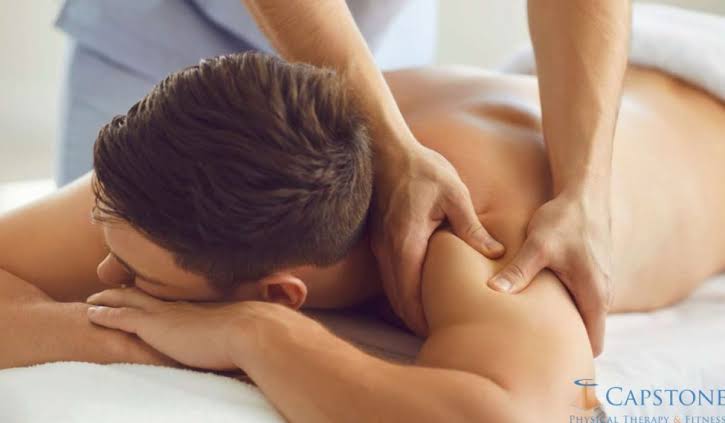
Massage therapy uses hands-on pressure to work the muscles, tendons, and soft tissues of the body. A trained therapist applies techniques like kneading, gliding, and gentle stretching. Many people book sessions to address specific concerns, and others visit for general upkeep. Understanding what massage does helps you decide if it fits your routine.
Relieved Pain
Massage therapy targets sore areas, and a therapist adjusts pressure to match your comfort level. When tissues receive focused attention, tightness around the affected spot often eases. This matters if you deal with recurring aches from work or activity.
Some people report less pain after regular sessions, though results vary from person to person. A therapist may combine techniques to reach deeper layers. You describe the problem area first, and your input guides the approach.
Relaxed Muscle Tension
When muscles stay contracted for long stretches, tension builds. A session works those knots, and the muscle fibers gradually loosen. You might feel this shift during the appointment itself.
Repeated appointments help maintain looser muscles, and some clients schedule them weekly. If you sit at a desk for hours, your shoulders and neck tend to tighten. A therapist focuses on those spots when you point them out.
Communication shapes the outcome, so tell your therapist how the pressure feels. When you speak up, adjustments happen quickly. This keeps the session useful for your body.
Improved Circulation
Blood flow responds to physical pressure applied across the skin and muscle. A therapist moves in patterns, and they follow the direction of your veins. When applied correctly, this technique supports blood flow through the treated areas.
Better circulation carries oxygen to tissues, and it also helps move waste products along. In some cases, sessions target the limbs where flow slows down. You might notice warmth in an area after focused work. A few techniques stand out for circulation-focused sessions:
- Long gliding strokes toward the heart
- Rhythmic kneading of larger muscle groups
- Gentle compression on the arms and legs
These methods form the core of many appointments, and a therapist selects them. The choice is based on your individual needs. For more effectiveness, you get a plan shaped around your body.
Adequate Sleep
Rest may improve when the body feels less tense before bed. A relaxed state helps some people fall asleep faster. When needed, massage supports this by calming tight muscles. Timing matters, so a few clients book evening sessions for this reason.
When your body unwinds, your mind tends to settle too. You might track your sleep to see any pattern. These habits work alongside your sessions, and together they set a calmer stage for rest. A short pre-sleep routine pairs well with regular massage:
- Dim the lights an hour before bed
- Avoid screens close to bedtime
- Keep the room cool and quiet
Schedule Massage Therapy Sessions
Each massage therapy session adapts to what you describe, and a therapist tailors the approach. Book a first session, share your goals, and ask questions about the techniques. When you find a good fit, set a schedule that suits your body and budget. Call a local clinic today and reserve your first appointment.