
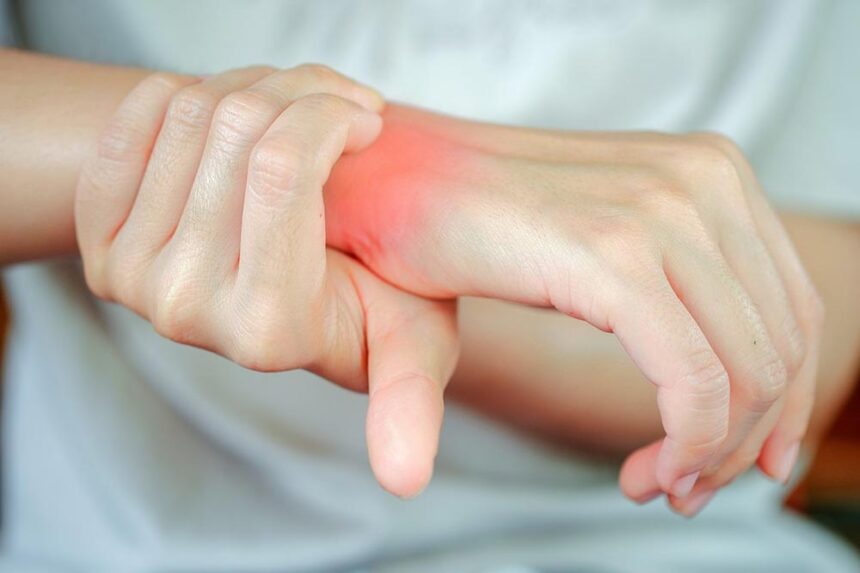
Arthritis is inflammation of one or more joints, and it causes pain, stiffness, and reduced movement for people of all ages. Many adults live with some form of it, so daily habits matter. Managing arthritis takes a steady routine, and small changes often make a significant difference. Here are some tips for daily management of this condition:
Do Low-impact Exercises
Movement keeps your joints working. Low-impact activities put less strain on sore joints, and they help you stay active without added pressure. When you move often, your muscles support the joints around them and reduce arthritis symptoms. You have several gentle options to choose from:
- Swimming or water aerobics
- Walking on flat surfaces
- Cycling on a stationary bike
- Stretching gently or tai chi
Start slowly, and build up over several weeks. A short daily session works better than one long workout, and pacing yourself lowers the risk of flare-ups. If a movement hurts, stop and rest.
Use Assistive Tools
Assistive tools are used to reduce the strain of everyday tasks, and they help you grip, reach, and carry items, taking pressure off tender joints. Simple devices at home make ordinary chores easier. Talk with an specialist about which tools fit your needs. Jar openers, long-handled reachers, and padded utensils lower stress on your hands. When you protect your joints during small tasks, you save energy for the day.
Maintain a Healthy Weight
Extra weight adds load to your joints. Your knees, hips, and ankles carry more force with each pound, and that force raises daily wear. Losing even a small amount eases that pressure.
Focus on steady, balanced meals rather than quick fixes. Whole foods, lean proteins, and vegetables support your body, and portion control helps you stay on track. A registered dietitian can build a plan that suits you. Small, steady steps tend to last longer than crash diets.
Regular activity supports weight goals too. When you pair gentle exercise with balanced eating, you address two needs at once. Track your progress weekly, and adjust as you go. Sleep and stress also shape your weight and pain. Set a regular bedtime, and try short relaxation breaks during the day.
Use Hot and Cold Therapy
Temperature therapy targets pain and stiffness. Heat relaxes muscles and boosts circulation, and cold numbs sharp pain while reducing swelling. You choose the method based on how your joints feel.
Apply heat with a warm towel, a heating pad, or a warm bath. Use cold with an ice pack wrapped in a thin cloth, and limit each session to about 15 minutes. Never place ice directly on bare skin. Switch between the two if that suits your symptoms, and note what works for you.
Get Treated for Arthritis
Daily habits work well alongside professional care; a clinician reviews your symptoms and history, and regular check-ins keep your treatment on track as things change. Bring a list of your symptoms to each visit, and note when pain starts, what eases it, and how it affects your routine. Your care team may suggest medication, therapy, or further tests, and clear notes help them decide. Schedule a visit with our team to review your symptoms and next steps.