

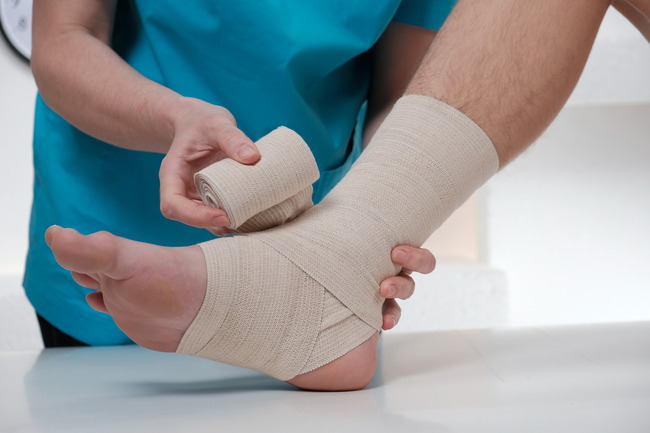
Wound care specialists assess a wound’s type and severity, then create a treatment plan tailored to each patient. They track progress over time, adjust care as needed, and watch for signs that a wound needs additional attention. For many people, working with a specialist means a more structured approach to healing and closer oversight throughout the process. Wound care involves evaluating, cleansing, and observing injuries to facilitate the body’s natural healing process. Here’s more information on how to manage wounds with a specialist:
Managing Diabetic Ulcers
Diabetic ulcers often form on the feet, where reduced sensation can allow small injuries to go unnoticed. Because these wounds heal slowly, they require careful attention and a consistent wound care routine. The first step is a thorough assessment of the wound and the surrounding tissue. Specialists examine depth, size, and any signs of infection.
Offloading, or reducing pressure on the affected area, is a common part of the plan, and specialists may recommend specialized footwear or padding to protect the site. This keeps pressure off the wound so the tissue has room to recover. Regular follow-up visits allow specialists to track how a wound responds to treatment. During these visits, they clean the wound, replace dressings, and note any changes. Consistent monitoring helps the care team adjust the approach based on how the wound is progressing.
Managing Venous Ulcers
Venous ulcers develop when blood pools in the lower legs, often due to poor circulation in the veins. These wounds appear near the ankles and can persist for weeks or longer. An ulcer becomes a problem when it fails to improve, grows larger, or shows signs of infection, such as increased:
- Redness
- Swelling
- Drainage
At that point, professional evaluation becomes necessary. Specialists manage venous ulcers by addressing both the wound and the underlying circulation issue. Compression therapy is a frequent part of treatment, and specialists may use wraps or stockings to encourage blood flow back toward the heart. They also clean the wound, apply appropriate dressings, and monitor the surrounding skin. In some cases, a specialist may evaluate the veins directly to identify the source of the poor circulation.
Managing Other Minor Wounds
A vein specialist can help manage a range of minor wounds beyond diabetic and venous ulcers: these include:
- Shallow Cuts
- Abrasions
- Slow-healing Skin Injuries
Some patients seek care for wounds related to circulation problems, while others need help with injuries that simply are not healing as expected. Specialists assess each wound to determine the appropriate level of care. For wounds tied to vein health, a specialist can look at the broader circulatory picture to understand what may be slowing recovery. This combined focus on the wound and its possible causes gives patients a clearer path forward.
Get Proactive Wound Care
A vein specialist offers focused attention to the wound itself and the circulation factors that may affect it, giving you a well-rounded view of your situation. Taking a proactive approach to wound care can make a meaningful difference in how you manage an injury. If you have a slowly healing wound or a vascular condition, a vein specialist can provide the care you need. Regular follow-up visits keep your treatment on track and give you a dependable point of contact throughout your recovery. To learn more about your wound care options, schedule a consultation today.