

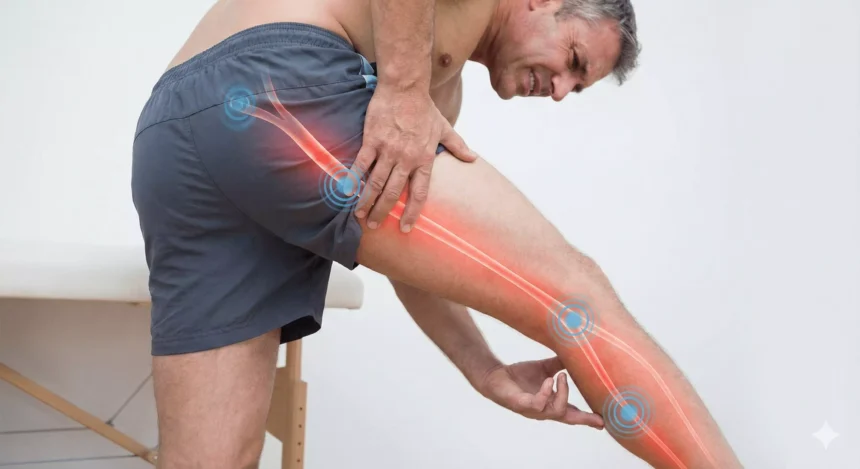
Sciatica is a common source of discomfort that affects the lower back, hips, and legs. The condition develops when pressure or irritation reaches the sciatic nerve; this is the longest nerve in the body. Adults may encounter this problem at some point, often during years of active work and daily movement. Understanding what sciatica is, how it feels, and what options exist for relief can help you take practical steps toward feeling better.
What Is Sciatica?
Sciatica refers to pain that travels along the sciatic nerve. This nerve begins in the lower back, and it extends down each leg. When the nerve becomes compressed or inflamed, the result is a pattern of pain that often follows this route.
A common cause is a herniated or slipped disc in the spine, which presses against the nerve. Other causes include a narrowing of the spinal canal, bone spurs, or muscle tightness in the lower back and hips. An injury or prolonged sitting can contribute to the problem. People with sciatica describe a range of sensations. Some feel a sharp, shooting pain, and others notice a dull ache, tingling, or numbness. The discomfort usually affects one side of the body and may worsen with certain movements.
How Is It Managed?
People can manage mild to moderate sciatica through changes to daily habits and gentle self-care. Light activity, such as walking or gentle stretching, may reduce stiffness. A slow return to normal activity tends to work better for most individuals, and applying heat or cold packs to the affected area can ease discomfort. When symptoms persist or interfere with daily life, professional guidance becomes the next reasonable step.
How Is It Treated?
Treatment for sciatica depends on the cause and severity of the condition. Some cases may improve with conservative care, and others call for more focused intervention. A medical professional can review your symptoms, allowing them to recommend a suitable plan.
Physical therapy is a frequent starting point. A therapist can guide you through exercises that strengthen the muscles supporting the spine and improve flexibility. These routines aim to relieve pressure on the nerve, and they may lower the chance of future flare-ups. Medication can also form part of a treatment plan, including over-the-counter pain relievers and anti-inflammatory options to manage discomfort. A physician might suggest prescription options or injections that target inflammation near the nerve.
For cases that do not respond to these methods, surgical options exist. Procedures such as removing part of a herniated disc can relieve pressure on the sciatic nerve. Surgery is typically reserved for situations where pain remains severe, or it may be utilized when nerve function is affected. A specialist can explain whether this route fits your needs.
Consult an Orthopedic Specialist
Sciatica affects each person differently, and the right approach depends on the source of the pain. An orthopedic specialist can examine your condition, identify the underlying cause, and outline a treatment plan suited to your situation. If you experience ongoing pain, numbness, or weakness in your lower back or legs, speaking with a specialist may provide direction.