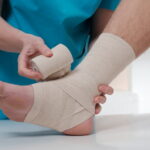

When injuries occur during sports or physical activity, they range from sprains and strains to fractures and dislocations. They typically result from overuse, improper technique, or sudden trauma, and prevention relies on proper warm-ups, correct form, and adequate rest between activities. A sports medicine professional can diagnose a sports injury accurately and design a recovery plan suited to the specific condition and athlete. Here is more information on sports injuries, common types, and how they are prevented:
What Is a Sports Injury?
A sports injury is damage sustained during athletic activity or exercise, and it typically affects muscles, bones, ligaments, and tendons. Doctors generally classify sports injuries into two categories: acute and chronic. Acute injuries happen instantly, often from a collision or an awkward landing, whereas chronic injuries develop over time and may go unnoticed until pain becomes persistent. Both categories vary in severity. While some injuries cause mild discomfort, others require surgery, making early recognition key to determining appropriate treatment.
What Are Common Types?
Athletes experience several types of sports injuries across a wide range of activities. These types include:
- Sprains and strains, which affect ligaments, muscles, and tendons.
- Fractures, dislocations, and tendonitis, which result from high-impact collisions, repetitive stress, or joint misalignment.
- Concussions, which are more prevalent in contact sports such as football and hockey.
Understanding these injury types is a useful first step in recognizing, managing, and preventing sports-related harm.
How Are They Prevented?
Proper preparation reduces injury risk, and athletes who prioritize this step may report fewer injuries over time. A structured warm-up routine increases blood flow to muscles. Flexibility improves when the body is gradually introduced to physical exertion before intense activity begins, which is why skipping this step leaves muscles and tendons less prepared for sudden movement.
Proper technique and equipment also help prevent injury. Coaching on proper form reduces unnecessary strain on joints and muscles, and this guidance is especially relevant in sports that involve repetitive motion. While contact sports can increase the risk of trauma, appropriate footwear and protective gear, such as helmets or padding, help protect athletes from certain injuries.
Overuse injuries typically develop when athletes push through fatigue. Rest and recovery are central components of any training schedule, and building designated rest days into a routine allows tissues to repair adequately. When recovery time is consistently overlooked, the likelihood of chronic conditions forming increases. This can affect long-term athletic performance.
How Can a Professional Help?
A sports medicine specialist diagnoses and treats athletic injuries. During an initial evaluation, the provider assesses the affected area, and they review the athlete’s medical history. The provider may also order imaging tests such as X-rays or MRIs to determine the extent of the injury, which supports an accurate diagnosis.
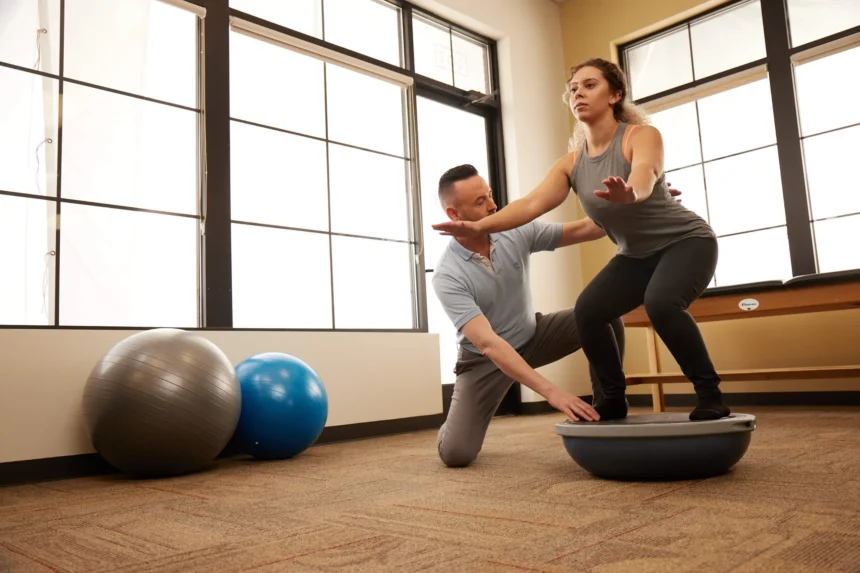
After a diagnosis is made, the professional creates a treatment plan tailored to the injury and the athlete’s goals. The plan may include rest, physical therapy exercises, and gradual return-to-play protocols. Ongoing communication between the athlete and provider supports a safer recovery. Regular check-ins allow adjustments to the treatment plan, and these modifications are based on the athlete’s progress over time.
Learn More About Sports Injuries
Sports injuries take many forms; understanding common types and their causes helps athletes take preventive steps, such as proper warm-ups, correct technique, and adequate rest. When an injury does occur, consulting a sports medicine professional provides an accurate diagnosis and a structured recovery plan. Schedule an evaluation with a sports medicine specialist to build a prevention plan suited to your activity level.