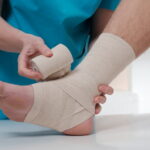


Diabetes affects how the body manages blood sugar, and over time, elevated levels can influence many parts of the body, including the feet. Small problems, such as a blister or a minor cut, may develop into larger concerns if they go unnoticed. Understanding the connection between diabetes and foot health can help you recognize early warning signs and know when to seek diabetic wound care.
How Does Diabetes Affect Feet?
High blood sugar levels may gradually harm the nerves and blood vessels throughout the body. When this happens in the feet, two main issues often arise. The first is nerve damage, sometimes called neuropathy. Reduced sensation makes it harder to feel pain or pressure over time, so a person may step on a sharp object or wear ill-fitting shoes without noticing discomfort. Without that natural warning system, injuries can go untreated.
The second issue involves circulation. Diabetes can narrow the blood vessels, slowing the flow of blood to the feet. Reduced circulation means wounds may heal more slowly, and the body has a harder time fighting infection. A minor injury combined with poor healing can lead to complications that require professional diabetic wound care.
What Are the Symptoms?
Paying attention to changes in your feet may help you catch problems early. Symptoms vary from person to person, but several signs commonly appear. Symptoms that indicate the need for diabetic foot care range in severity and expression, including:
- Numbness or Tingling: A loss of feeling, or sensations of pins and needles, in the toes or feet.
- Skin Changes: Areas that appear discolored, dry, cracked, or feel unusually warm.
- Sores: Cuts, blisters, or ulcers that take longer than expected to close.
- Changes in Foot Shape: Hammertoes, calluses, or altered structure.
Any open wound that does not improve deserves prompt attention. Because reduced sensation can mask pain, regular visual checks are necessary. Inspecting your feet each day helps you spot issues you might otherwise miss.
What Is Diabetic Foot Care?
Diabetic foot care combines daily habits at home with support from professionals. The goal is to prevent problems, and issues can be addressed quickly when they appear. Simple routines form the foundation of foot health, including:
- Inspect your Feet Daily: Look at the tops, soles, and between the toes.
- Wash and Dry Gently: Use lukewarm water and dry thoroughly.
- Moisturize Carefully: Apply lotion to dry areas, but avoid the spaces between toes.
- Trim Nails with Care: Cut straight across to reduce the risk of ingrown nails.
- Choose Supportive Footwear: Well-fitted shoes and clean, dry socks help protect the skin.
Specialists provide services that go beyond home routines. These may include regular foot examinations, removal of calluses, treatment of wounds, and guidance on footwear. When ulcers or infections develop, professional wound care focuses on cleaning, protecting, and monitoring the affected area. Some patients also receive advice on managing pressure points that contribute to injury; combining attentive home care with professional oversight offers a practical approach to protecting your feet over the long term.
Seek Professional Diabetic Wound Care
If you notice a wound that resists healing, unusual changes in skin or sensation, or any sign of infection, reach out to a care provider. Professional diabetic wound care offers structured treatment, and it facilitates ongoing monitoring designed to support recovery. Booking an appointment when concerns first appear allows specialists to address issues before they progress. This helps to keep your feet healthier for the years ahead and prevent avoidable complications.