

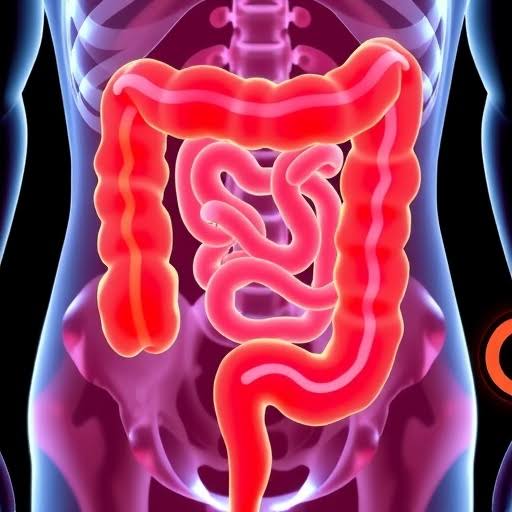
A colonoscopy lets a physician examine the inner lining of your large intestine, or colon, using a thin, flexible tube fitted with a camera. Doctors rely on this tool for many reasons. It can help identify inflammation, locate the source of bleeding, evaluate changes in bowel habits, and support the screening and detection of colorectal cancer. Because the camera provides a direct view, physicians gain detailed information that other tests may not capture. Here’s why a colonoscopy is a key part of digestive health care:
How Common Is Colorectal Cancer?
Colorectal cancer is one of the most frequently diagnosed cancers among adults in the United States. All adults are at risk of developing this cancer, and the likelihood of developing it tends to increase with age. Health guidelines recommend that adults at average risk begin regular colonoscopy screenings at age 45. For those who receive normal results and have no elevated risk factors, the procedure is typically repeated every 10 years. Your physician may recommend a shorter interval based on their findings, your personal history, or your family history.
How Do Colonoscopies Detect Concerns?
During a colonoscopy procedure, the physician guides the scope through the colon and looks for anything unusual along the lining. Growths called polyps are common, and the doctor can often remove them during the same appointment. Some polyps are harmless, but certain types can develop into cancer over time, so their removal is necessary.
A colonoscopy can also help diagnose several conditions. If tissue looks abnormal, the physician can take a biopsy sample for further analysis. This dual capability sets colonoscopies apart: this diagnostic procedure can detect concerns and address some of them in one session, reducing the need for additional procedures.
For colorectal cancer screening, this direct examination is fundamental to care. Early-stage changes in the colon often cause no noticeable symptoms, so a colonoscopy lets physicians identify and remove suspicious tissue before it advances. That is why the procedure holds such a significant place in preventive care.
When Are They Recommended?
Beyond routine screenings, a physician may recommend a colonoscopy when a patient reports specific symptoms, such as:
- Persistent Abdominal Pain
- Unexplained Changes in Bowel Movements
- Sudden Rectal Bleeding
- Unexpected Weight Loss
The procedure may also be advised for people with a personal or family history of colorectal cancer, polyps, or certain inflammatory bowel conditions. In these cases, screening often begins earlier than age 45, and it may occur more frequently. Physicians sometimes use colonoscopy to monitor previously treated conditions or follow up on other test results, or they may recommend one after an abnormal stool-based screening.
Determine When You Need a Colonoscopy
When to schedule a colonoscopy depends on several factors, including your age, symptoms, and personal and family history. A conversation with a gastroenterologist can help clarify which screening approach fits your circumstances and how often you will need follow-up. If you are approaching age 45 or have noticed changes in your digestive health, contact a specialist today. Regular screening is the most direct way to monitor colon health and support early detection.