
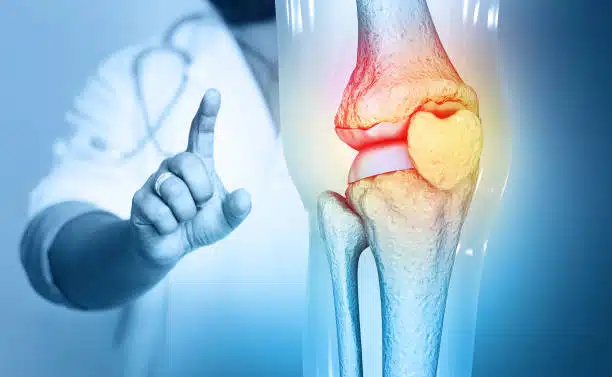
When joint pain limits your ability to walk, climb stairs, exercise, or sleep, it starts to affect your daily independence and quality of life. Knee pain is any discomfort in or around the knee joint, and it stems from injury, overuse, aging, or underlying conditions. This pain can appear during movement or while at rest, often with sharp or aching sensations. Small routine adjustments, combined with the appropriate medical care, help you manage knee discomfort and stay active. Here’s information on lifestyle and medical changes that can improve your knee health and mobility:
Trying At-home Care Methods
Home care is the first step many people try for mild to moderate knee pain. Several structured approaches can help reduce pain and swelling in the knee joint, like the RICE method. The RICE method is a well-known approach for managing minor knee injuries; it focuses on reducing swelling and giving the joint time to settle. This method includes four key steps:
- Rest: Limit activity that stresses the knee.
- Ice: Apply a cold pack at intervals to reduce swelling.
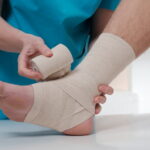
- Compression: Wrap the knee with a supportive bandage.
- Elevation: Raise the leg to help reduce fluid buildup.
The PEACE & LOVE Method
The PEACE & LOVE method encourages gradual movement, and it emphasizes education about the recovery process rather than complete rest. This newer approach addresses the immediate injury and the recovery phase involved in many injuries. PEACE stands for: Protection, Elevation, Avoiding anti-inflammatory modalities, Compression, and Education. LOVE stands for: Load, Optimism, Vascularization, and Exercise.
The MEAT Method
The MEAT method is often used for soft-tissue injuries such as ligament or tendon strains, and it stands for Movement, Exercise, Analgesics, and Treatment. Unlike RICE, this method promotes controlled motion to support circulation in the affected area while using pain relievers. The goal is to keep the joint gently active while managing discomfort, encouraging blood flow and healing.
Working With a Physical Therapist
Strengthening the muscles around the knee can improve stability, which may reduce strain on the joint over time. That is why many people seek physical therapy for professional advice during knee recovery. A physical therapist can assess your knee and design a personalized plan based on your needs. Treatment may include targeted exercises, stretching, manual therapy, and guidance on posture and movement. Physical therapy also focuses on education. A therapist can show you how to move safely, adjust your daily habits, and avoid activities that place unnecessary pressure on the knee.
Getting Surgical Treatment
When conservative methods do not provide enough pain relief, a physician may discuss advanced procedural options. One minimally invasive option is genicular artery embolization (GAE), which targets abnormal blood vessels around the knee. GAE may be discussed when persistent knee pain hasn’t responded to lifestyle changes, medication, or physical therapy
A genicular artery embolization is often recommended for individuals who want to avoid or delay more invasive replacement surgery. During this procedure, a specialist inserts a thin catheter into an artery and guides it toward the small vessels supplying the knee lining. Tiny particles then reduce blood flow to those vessels, which may help address inflammation associated with certain chronic knee conditions.
Manage Knee Pain With a Professional
If your knee pain continues despite at-home efforts, professional support can help you maintain joint function. Contact an endovascular clinic to learn more about advanced treatments for knee pain and determine which path suits your needs. Knee pain can range from a minor nuisance to a barrier that affects your everyday activities. Home care methods, guided physical therapy, and advanced procedures each offer different ways to address discomfort depending on the cause and severity. Learn more about your pain management options from a specialist today.