

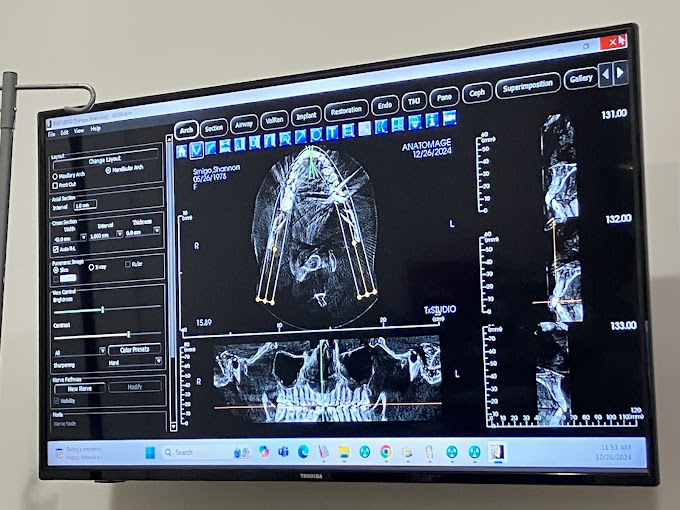
Endodontics is a specialized branch of dentistry, and advances in diagnostic tools and treatment techniques allow endodontists to identify and treat dental issues more accurately. These developments may improve clinical precision, which gives patients more efficient appointments. Here is more information on endodontics, the available services, and the role technology plays in modern treatment:
What Is Endodontics?
Endodontics is a branch of dentistry that focuses on the tooth’s inner structures, specifically the dental pulp. Dental pulp is soft tissue, and it contains nerves and blood vessels. When this tissue becomes infected or damaged, treatment becomes necessary to preserve the tooth. Prompt intervention is beneficial.
An endodontist is a dentist who has completed specialized training in endodontics; this advanced education equips them to diagnose tooth pain and treat complex inner-tooth conditions. General dentists refer difficult cases to these specialists because their focused training lets them manage situations outside the scope of general practice. Their expertise is precise and targeted.
What Are the Available Services?
Endodontists offer a range of services designed to preserve natural teeth. These services include:
- Root canal treatment: This procedure removes infected pulp and seals the tooth to prevent further damage.
- Root canal retreatment: A secondary procedure performed on teeth that did not heal adequately following a previous root canal.
- Dental trauma treatment: Care for teeth that have been cracked, displaced, or knocked out as a result of injury.
Each procedure aims to preserve the natural tooth and prevent the need for extraction.
What Role Does Technology Play?
Technology influences endodontic treatment. Digital imaging has replaced older methods with faster and more detailed scans. Regenerative endodontics is an emerging area of the field; it applies biological principles to restore damaged pulp tissue. Rather than removing pulp entirely, this approach attempts to regenerate it using the patient’s own stem cells. Dental pulp stem cells, which are stem cells found in dental pulp, can differentiate into multiple cell types, making them well suited for tissue repair.
Who Does Endodontic Technology Help?
These advancements benefit a wide range of patients, and their impact extends across various dental conditions. Anyone experiencing tooth pain, sensitivity, or infection can receive faster treatment. Because modern tools help reduce procedure time, patients who need dental work may find the experience more manageable.
Technology also supports people with complex dental anatomy, which presents unique challenges. Some teeth have curved or hidden canals. Advanced imaging lets specialists treat these cases effectively; this increases the likelihood of preserving a tooth that might otherwise be lost. Consulting an endodontist helps determine what can be done for each situation and the role technology plays in treatment.
Consult an Endodontist Today
Modern endodontics combines specialized skill with advanced technology to save teeth and relieve pain; digital imaging and regenerative endodontics make treatment more accurate and promote healing. If you experience tooth pain or have been referred for specialized care, book an appointment with an endodontist. A consultation will help you understand your options and the technology available to support your treatment and overall oral health