
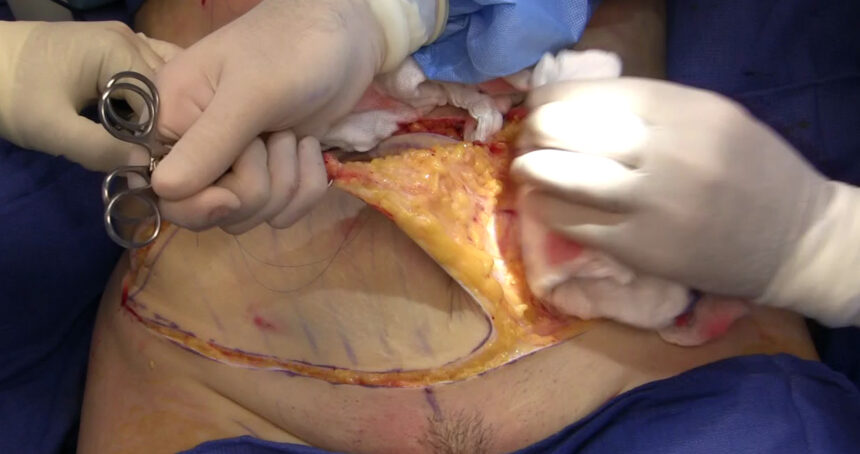
A tummy tuck, also known as abdominoplasty, is a surgical procedure that addresses excess skin and changes in the abdominal area. The procedure involves removing excess skin and tightening the abdominal wall based on individual treatment needs. People often explore abdominoplasty surgery after pregnancy or significant changes in body weight. Here is more information about the tummy tuck procedure:
Defining the Abdominoplasty
A tummy tuck is a surgical procedure that addresses excess skin and changes in the abdominal wall. Pregnancy and significant weight changes are associated with stretched abdominal skin and separation of the underlying muscles. During the procedure, a surgeon removes excess skin and tightens the abdominal wall according to the individual treatment plan.
An abdominoplasty is a body contouring procedure rather than a method for weight loss. Weight, overall health, medical history, and cosmetic goals form part of the evaluation before surgery. A consultation provides an opportunity to review these factors and discuss appropriate timing for the procedure.
Comparing the Procedure Types
Full and mini abdominoplasty address different amounts and locations of excess abdominal skin and changes in the abdominal wall. A full abdominoplasty involves a larger treatment area, while a mini abdominoplasty focuses primarily below the belly button. The amount of excess skin, abdominal muscle changes, and individual cosmetic goals help determine which approach fits the treatment plan. The procedures differ in several ways:
- Full tummy tuck: An incision extends across the lower abdomen, allowing access to a larger treatment area. The surgeon tightens the abdominal wall, repositions the skin, and removes excess tissue. This procedure also involves creating a new opening for the belly button after the skin is repositioned.
- Mini tummy tuck: A smaller incision is placed above the pubic area to access the lower abdomen. The surgeon tightens the abdominal wall below the belly button, repositions the skin, and removes excess tissue. This approach focuses on changes located primarily in the lower abdominal area.
A surgical consultation includes an examination of the abdomen and a discussion of medical history and cosmetic goals. These findings provide the information needed to select an appropriate surgical approach.
Timing the Recovery
Recovery after an abdominoplasty varies according to the procedure, treatment area, and individual healing process. Activity restrictions during recovery allow the abdominal area time to heal following surgery. Swelling and other postoperative changes gradually decrease as the tissues settle throughout the recovery period.
An abdominoplasty does not prevent future changes to the abdominal skin or underlying tissues. Weight fluctuations and pregnancy affect the abdomen after surgery, which influences the appearance of previous body contouring results. Following postoperative instructions and maintaining stable lifestyle habits form part of long-term care after the procedure.
Schedule Your Tummy Tuck Today
A tummy tuck is a body contouring procedure that addresses excess abdominal skin and changes in the abdominal wall. Treatment planning depends on medical history, body characteristics, previous weight changes, and individual cosmetic goals. A consultation provides an opportunity to discuss procedure types, preparation, recovery, and expected changes following surgery. Schedule an abdominoplasty consultation today to discuss your goals and learn more about available surgical options.