
Degenerative disc disease affects many adults, and it commonly causes chronic back and neck pain. As the discs between the vertebrae break down over time, the condition gradually develops. Here is more information on what degenerative disc disease is, including its causes, symptoms, and treatments:
What Is Degenerative Disc Disease?
Degenerative disc disease is a condition in which the intervertebral discs lose their structure and function, and it is not technically a disease. These discs sit between the vertebrae, where they act as cushions. They absorb shock and allow the spine to bend and twist, which makes them integral to everyday movement. The term describes natural wear and breakdown of spinal discs.
What Causes It?
Aging is the primary driver of this disease, and its effects on the spine are gradual and cumulative. Spinal discs lose fluid and elasticity over time. Because daily movement, repeated mechanical stress, and gravitational load all contribute to this breakdown, the process is a normal aspect of aging.
Several factors accelerate disc degeneration beyond typical age-related changes. Repetitive physical activity and heavy lifting increase strain on the spine, and high-impact sports compound this effect. Smoking reduces blood flow to the discs, which limits their ability to repair. Genetics, obesity, and poor posture increase mechanical stress, while acute injuries such as falls or vehicular accidents can cause direct structural damage to the outer ring of a disc.
Spinal discs have a limited blood supply. Since this limits their ability to regenerate like other tissues, any degeneration that occurs is permanent. The condition may progress over time rather than resolve on its own; this makes early identification and management valuable.
What Are the Symptoms?
Symptoms vary widely and range in severity. Common symptoms include:
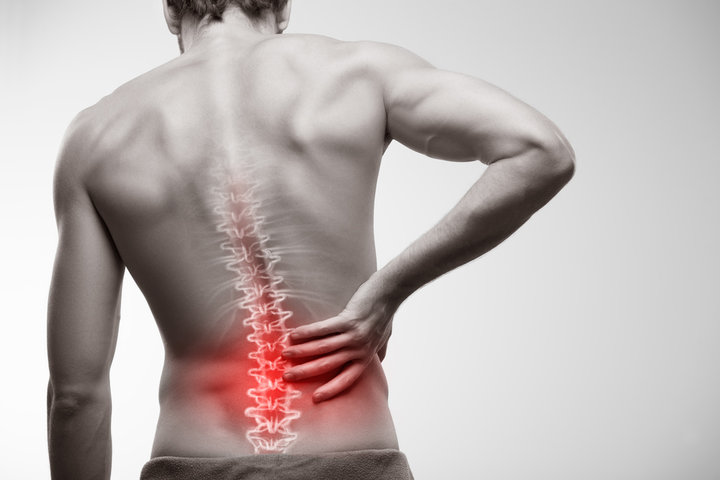
- Localized pain in the lower back or neck, depending on which discs are affected
- Pain that worsens when sitting, bending, lifting, or twisting, and eases with walking or position changes
- Radiating pain, numbness, tingling, or muscle weakness in the arms or legs when a degenerated disc compresses a nearby nerve
What Are the Treatment Options?
Treatment focuses on managing pain and preserving mobility, and some cases respond to non-surgical care. Physical therapy strengthens the muscles that support the spine, which reduces pressure on the affected discs. Heat or cold therapy can ease discomfort during flare-ups. Over-the-counter pain relievers or anti-inflammatory medications offer additional relief.
When conservative methods fail to provide adequate relief, a pain management specialist may recommend targeted interventions. Epidural steroid injections deliver anti-inflammatory medication directly to the affected area, and nerve block procedures can interrupt pain signals. Radiofrequency ablation uses heat to disable the nerves that transmit pain, which makes it a viable option for those who have not responded to other treatments. A specialist will evaluate the patient’s condition before developing a pain management plan.
Consult a Specialist Today
Degenerative disc disease is a common, age-related condition that develops as spinal discs lose height, hydration, and cushioning ability. Causes range from natural aging to lifestyle factors and injury, and symptoms range from mild stiffness to radiating nerve pain. Treatment options move along a spectrum, starting with physical therapy and medication and progressing to injections, nerve procedures, or surgery when needed. If back or neck pain limits your daily activities, schedule an appointment with a pain management specialist. A specialist can confirm your diagnosis and guide you toward lasting relief.