
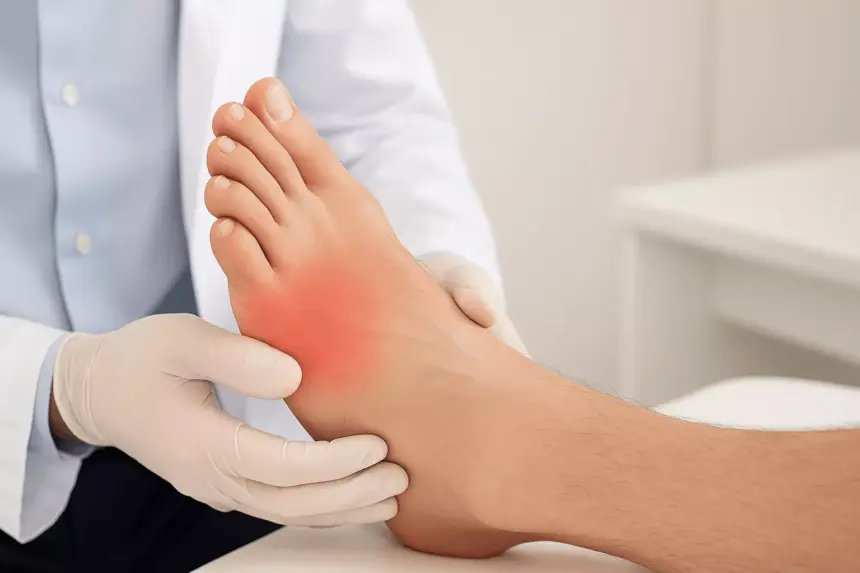
Chronic venous insufficiency (CVI) occurs when the veins in the legs have difficulty returning blood to the heart. This may cause swelling, discomfort, and skin changes. Regular exercise can support circulation and help manage symptoms as part of a broader treatment plan. Here is a closer look at the role of exercise in managing chronic venous insufficiency:
Does Exercise Support Circulation?
Movement activates the muscles in your calves and feet, and these muscles work like a pump that pushes blood upward through your veins. When you stay seated or standing for long stretches, that pump slows, so blood tends to pool in the lower legs. Regular activity keeps the calf muscle pump working, which may improve symptoms of chronic venous insufficiency and help reduce the pressure that builds up in the veins over time.
Exercise also supports overall cardiovascular health; a stronger heart and vascular system can complement your daily routine. Gentle and consistent movement often fits easily into most schedules. Talk with your provider about the type and amount of activity that suits your situation.
Which Low-impact Activities Help?
Low-impact activities place less strain on your joints while still engaging the calf muscle pump. These options work well for people managing vein-related symptoms, and you may adjust them to match your comfort level. Here are several activities you can explore with your care team:
- Walking: A regular walk activates the calf muscles with each step, and it requires no special equipment.
- Swimming: Water supports your body weight, so your joints may experience less pressure.
- Cycling: A stationary or outdoor bike keeps your legs moving through a smooth range of motion, which engages the lower-leg muscles.
- Ankle and calf exercises: Movements, such as ankle circles or heel raises, target the calf pump directly, and you can perform them almost anywhere.
- Leg elevation stretches: Gentle stretches with your legs raised may help blood flow back toward the heart while you rest.
What Makes Routines Safe?
A structured routine helps you stay consistent while you protect your legs from strain. The goal is continuous progress. Use the following points as a starting framework for a plan that can help you manage your chronic venous insufficiency.
- Start slowly: Begin with short sessions, then add time or distance gradually as you get more comfortable.
- Warm up and cool down: A few minutes of gentle movement prepares your muscles, and a slow finish helps your body transition back to rest.
- Wear supportive footwear: Comfortable shoes provide stability, and they can reduce unnecessary stress on your feet and legs.
- Review compression garments: Some people use compression stockings during activity, and your provider will advise on whether they align with your plan.
- Stay hydrated: Drinking water supports circulation, and it can help your body during movement.
What Should You Monitor?
Paying attention to your body is key to any activity plan. Note how your legs feel during and after exercise, and track any changes in swelling, pain, or skin appearance. If a particular movement increases discomfort, adjust it or pause, and share what you notice with your provider.
Your limitations may change from day to day, so a flexible mindset helps you respond appropriately. Contact your healthcare provider if you observe new leg wounds, worsening swelling, or significant skin changes. These signs deserve professional attention, and prompt communication supports timely care.
Address Chronic Venous Insufficiency Today
Managing CVI requires a comprehensive approach, including consistent monitoring, lifestyle adjustments, and open communication with your healthcare provider. Incorporating regular and low-impact exercise can alleviate symptoms and support better vascular health. Watch for symptoms such as new leg wounds, worsening swelling, or significant skin changes, as they may require prompt medical evaluation. Contact a qualified vein specialist near you to schedule your appointment and address chronic venous insufficiency today.