Technology supports many aspects of plastic surgery, from preoperative planning to surgical techniques and postoperative care. Advanced tools allow surgeons to evaluate anatomy and improve precision; this allows them to make more informed decisions during procedures. They also give patients new ways to understand potential outcomes and participate in care decisions. Here is more information about the role of technology in modern plastic surgery:
Treatment Planning
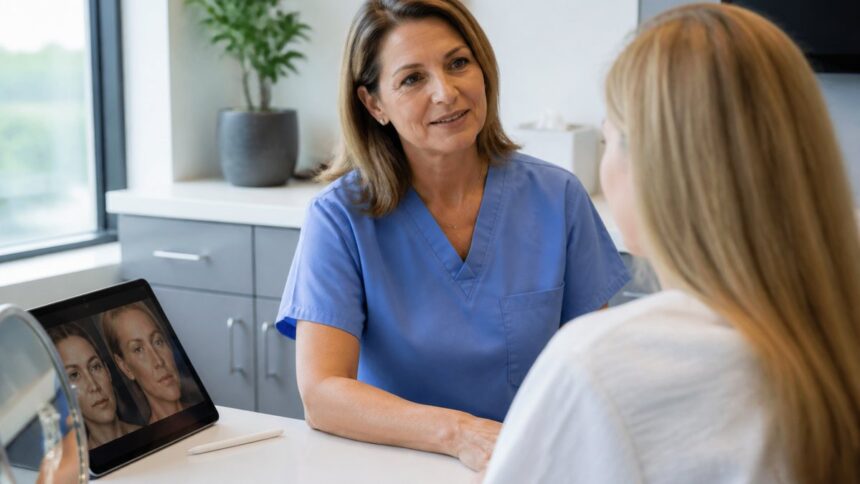
Before plastic surgery, your surgeon reviews your health history, examines the area of concern, and discusses what you hope to change. Three-dimensional surface imaging systems take photographs from several angles and merge them into a digital model of the face or body. With this model, a surgeon measures volume, compares the left and right sides, and shows simulated changes on screen. A simulation is a planning aid; it does not predict your final result.
Reconstructive cases often require more detailed imaging, such as computed tomography (CT) or magnetic resonance imaging (MRI). When performing jaw reconstruction, surgeons combine CT data with virtual surgical planning software to prepare for the procedure. Surgeons use the data to create 3D-printed models and cutting guides, so they can plan surgical steps with greater accuracy.
Minimally Invasive Procedures
Minimally invasive procedures replace long incisions with small openings, needles, or energy applied through the skin. Several options rely on specialized equipment:
- Endoscopic surgery: A thin camera enters through incisions a few centimeters long. Surgeons use this approach for some brow lifts.
- Energy-assisted liposuction: Laser, ultrasound, or radiofrequency energy loosens fat before suction removes it.
- Radiofrequency microneedling: Fine needles deliver heat into deeper skin layers.
- Cryolipolysis: A device cools targeted fat tissue under controlled conditions without incisions.
- Ultrasound-guided injections: Some providers use handheld ultrasound to view blood vessels before placing dermal fillers.
Postoperative Monitoring
Technology also helps surgeons monitor patients during recovery and identify potential complications. Remote follow-up tools allow patients to share photos of healing incisions, report symptoms, and communicate with their surgical team between office visits. Some practices use digital patient portals to provide recovery instructions and coordinate follow-up appointments. These tools help surgeons assess healing, so they can determine when an in-person evaluation is necessary. Digital photography helps document changes after procedures such as facelifts, eyelid surgery, breast augmentation, and tummy tucks. Surgeons can compare postoperative images with preoperative photographs to evaluate changes in appearance. This visual record is used to assess progress as swelling subsides and tissues settle. For patients receiving multiple procedures or undergoing staged treatments, documented progress can guide future surgical decisions.
Schedule Plastic Surgery
Technology shapes plastic surgery by giving surgeons more tools to plan procedures, refine techniques, and monitor patients throughout recovery. These tools can improve surgical precision, and they help providers make decisions based on patients’ anatomy and treatment goals. When reviewing a cosmetic or reconstructive procedure, ask your surgeon which technologies they use and how those tools support your care. A thorough consultation helps you understand your options, set realistic expectations, and make informed decisions about your treatment. Contact a plastic surgeon today to learn more about your treatment options.