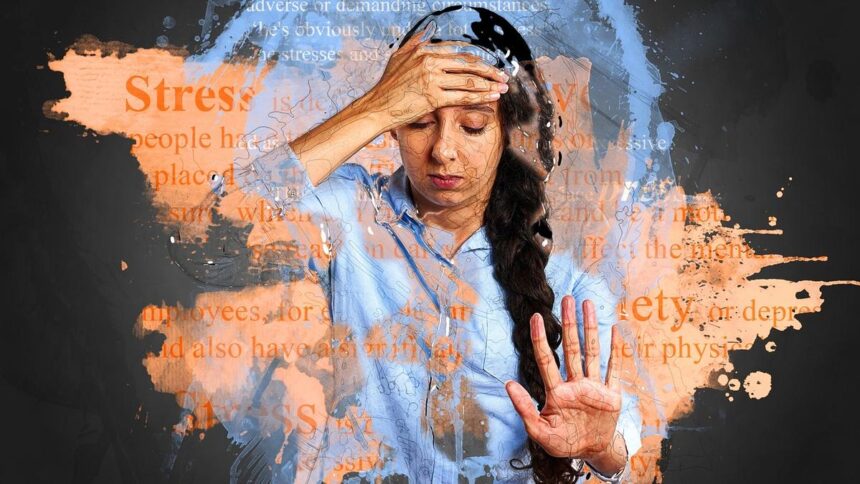
Periods of uncertainty, such as economic instability, health concerns, or major life transitions, can intensify feelings of worry and fear. Anxiety is a natural response to perceived threats, but its persistence can affect sleep, concentration, relationships, and overall well-being. By practicing strategies that calm the body and organize the mind, you can reduce anxious thoughts and respond to challenges with greater clarity. Learn more about coping mechanisms for anxiety during uncertain times.
Deep Breathing Exercises
When anxiety rises, the body activates its stress response. Heart rate increases, muscles tighten, and breathing becomes rapid and shallow. Deep breathing counteracts these effects by engaging the parasympathetic nervous system, which promotes relaxation.
One widely recommended technique is diaphragmatic breathing. Sit or lie comfortably with one hand on your chest and the other on your abdomen. Inhale slowly through your nose for a count of four, while your abdomen rises with your chest still. Then exhale gently through your mouth for a count of six. Repeating this cycle for five to ten minutes can lower heart rate and ease muscle tension.
Physical Activity
Physical activity stimulates endorphin release, which improves mood and reduces the perception of stress. Exercise also helps regulate stress hormones such as cortisol and adrenaline, which often remain elevated during prolonged uncertainty. Consistent movement can improve sleep quality, an important factor in emotional resilience.
You do not need an intense fitness program to experience these benefits. Helpful forms of activity include:
- Brisk walking, ideally outdoors
- Yoga or tai chi, which combine movement with focused breathing
- Swimming or cycling at a moderate pace
- Strength training a few times a week
Speak to your anxiety specialist about different physical activities you can do to help lessen anxiety symptoms. Combined with medication and other treatment options, physical activity can become part of your routine care.
Setting Routines
Uncertainty often creates a sense that life is beyond your control. A structured daily routine can counter this feeling by providing predictability and purpose. When you know what to expect from your day, your mind has fewer open questions to process, which can reduce anxious thinking.
An effective routine begins with consistent sleep and wake times, as irregular sleep can heighten anxiety symptoms. From there, schedule regular meals, work periods, physical activity, and time for rest. Completing small, achievable tasks can also build confidence over time.
Avoiding Anxiety Triggers
Anxiety triggers are situations, substances, or habits that provoke or intensify anxious feelings. Identifying them is an essential step toward managing symptoms. Keeping a journal can help you recognize patterns by recording when anxiety occurs, what preceded it, and how you responded.
Excessive news and social media use can be triggering, as they expose you to a constant stream of distressing information. Limiting media intake to once or twice daily from reliable sources may ease this burden. Caffeine, alcohol, and nicotine can also worsen symptoms, so moderating their use may provide noticeable relief.
Visit an Anxiety Specialist
Psychologists, psychiatrists, and licensed counselors can conduct a thorough evaluation and recommend a personalized treatment plan. Common approaches include RTMS, which helps you identify and reframe unhelpful thought patterns, as well as medication when appropriate. Seeking help from an anxiety specialist can help you form a plan for managing your symptoms.