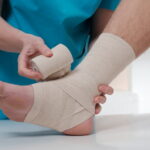


The musculoskeletal system supports nearly every movement you make, from walking and lifting to sitting and standing. When bones, joints, muscles, or connective tissues are injured or affected by a medical condition, daily activities can become difficult. Orthopedics focuses on this system, and it helps people who are managing pain, mobility problems, or the effects of an injury.
What Is an Orthopedic Doctor?
An orthopedic doctor, sometimes called an orthopedist or orthopedic surgeon, is a physician who specializes in the musculoskeletal system. This system includes bones, joints, ligaments, tendons, muscles, and nerves. These doctors work to diagnose problems, and they support recovery for a wide range of conditions.
Some orthopedic doctors treat the entire body, and others focus on a specific area or type of patient. Common areas of focus include the spine, hands, feet and ankles, shoulders, hips, and knees. Certain orthopedists concentrate on sports-related injuries. This range of focus allows patients to find care that matches their particular needs, helping patients move toward improved mobility and reduced discomfort.
What Do They Treat?
Orthopedics addresses a broad list of conditions that affect movement and physical function. Some of these conditions develop suddenly, such as those caused by accidents or falls. Others develop gradually over time or are present from birth. Common concerns treated by orthopedic doctors vary, and these include:
- Fractures and broken bones
- Joint pain and arthritis, which can affect the knees, hips, hands, and other areas
- Sports injuries, such as sprains, strains, torn ligaments, and cartilage damage
- Back and neck pain, including conditions related to the spine and discs
- Overuse injuries, such as tendinitis and carpal tunnel syndrome
- Injuries involving muscles, tendons, and ligaments
Because these conditions vary widely, an orthopedic doctor begins with an evaluation. This step usually involves reviewing your health history, discussing your symptoms, and performing a physical examination. The doctor can then recommend a treatment approach suited to your situation.
What Services Do They Offer?
Orthopedic doctors offer a mix of services designed to identify problems and support recovery. Many of these services are non-surgical, and surgery is typically recommended only when other options have not produced the desired result. Diagnostic services form the foundation of orthopedic care. These may include imaging tests. These tools help the doctor see the affected area and understand the nature of the condition. Non-surgical treatments are frequently used to manage pain and restore function, including:
- Medication management to help control pain and inflammation
- Bracing or splinting to support and protect an injured area
- Injections to reduce inflammation in specific joints
- Activity guidance and physical therapy to help patients adjust movements during recovery
When surgery is recommended, orthopedic surgeons may perform a variety of procedures. These can range from minimally invasive techniques to more involved operations like joint replacement or fracture repair. Rehabilitation after surgery may play a large role in helping patients return to their usual activities. Some orthopedic practices also provide follow-up care. This ongoing support allows the doctor to track progress, and they can adjust treatment as needed.
Meet With an Orthopedics Specialist
Persistent pain, limited movement, or a recent injury may signal that it is time to speak with an orthopedic doctor. Early attention to musculoskeletal concerns can help you understand the source of the problem, and it allows you to begin a suitable plan of care. Whether your goal is to recover from an injury, manage a long-standing condition, or return to the activities you enjoy, an orthopedic specialist may guide you through each stage of the process.