

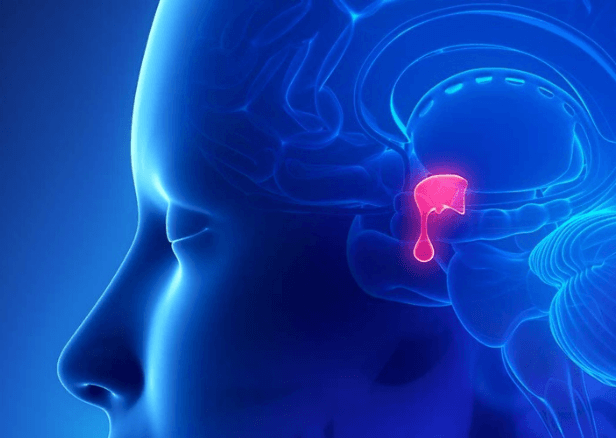
Brain surgery treats tumors by removing abnormal tissue, and surgeons use either a craniotomy or minimally invasive techniques to access the affected area. The tumor is removed. Surgeons excise as much tissue as safely possible and send samples to a laboratory to determine the tumor’s composition. While recovery varies with the extent of the procedure, patients typically need monitoring, rehabilitation, and follow-up imaging during healing. Here is more information on how brain surgery treats tumors:
What Is Brain Surgery?
Brain surgery is a medical procedure used to access and treat abnormalities within the brain. Surgeons perform this type of surgery to remove tumors, repair damaged tissue, or address other neurological conditions. Because imaging scans such as MRI or CT provide detailed views of the brain’s structure, surgeons may rely on them to guide their approach. Tumors vary in size, location, and type; neurosurgeons carefully select the method that offers the clearest access while limiting disruption to surrounding brain tissue.
How Does It Treat Tumors?
Surgery treats brain tumors by physically removing the abnormal growth, and this process reduces pressure on surrounding structures while slowing or stopping disease progression. Two surgical approaches include a craniotomy and minimally invasive surgery. Although both aim to remove tumor tissue, the extent of removal varies based on the tumor’s location and how close it sits to key brain regions.
A craniotomy involves removing a section of the skull to reach the tumor directly. Surgeons replace the bone once the procedure is complete, and this method works for larger tumors in accessible areas. Minimally invasive surgery uses smaller incisions and specialized tools to reach tumors in deeper or harder-to-reach areas. Since tumor size, depth, and proximity to blood vessels influence surgical planning, surgeons carefully evaluate these factors before recommending either method. Their assessment determines which approach balances access with patient safety.
What Does the Process Involve?
The surgical process for treating a brain tumor begins before the operation itself. Neurosurgeons plan the surgical route, and they discuss the procedure with the patient beforehand. Some cases call for awake brain surgery, which allows surgeons to monitor brain function in real time while removing tumor tissue near speech or motor areas.
On the day the surgery is conducted, the surgical team administers anesthesia and carefully positions the patient to allow access to the tumor site. Surgeons then open the skull or insert instruments through a small incision, and they use imaging guidance to locate the tumor with precision. They remove as much tissue as safely possible without damaging surrounding healthy brain structures.
Once the tumor is removed, the surgical team sends tissue samples to a lab for pathology testing. This step identifies the tumor type. It also helps guide any additional treatment. Surgeons then close the incision and transfer the patient to a recovery area; medical staff monitors the patient closely for any post-operative complications.
What Is Recovery Like?
Recovery from brain tumor surgery varies based on the extent of the procedure and the patient’s overall health. Patients may require support in several areas during recovery, including:
- Rehabilitation to regain speech, movement, or cognitive function
- Physical, occupational, or speech therapy for changes in function
- Follow-up imaging scans to check for remaining tumor tissue
Learn More About Surgery Today
Brain surgery remains a primary treatment option for some patients diagnosed with tumors. It removes abnormal tissue, and it helps relieve brain tumor symptoms. Understanding the difference between a craniotomy and minimally invasive surgery can help patients prepare for treatment. If you have a brain tumor, speak with a neurosurgeon to discuss which surgical approach fits your specific diagnosis.