
One common source of shoulder pain is a rotator cuff tear. This type of injury develops gradually over time, or it can occur suddenly after a fall or heavy lift. When these conservative measures do not bring relief, rotator cuff tear surgery may become part of the discussion with a medical provider.
What Is the Rotator Cuff?
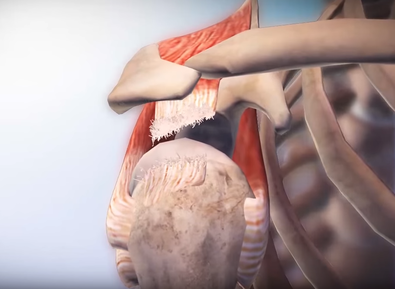
The rotator cuff consists of a group of four muscles and their connecting tendons, which surround the shoulder joint. These structures hold the upper arm bone securely within the shoulder socket. The shoulder is used often, so the rotator cuff is exposed to significant wear over the years.
A tear happens when one or more tendons become partially or fully separated from the bone. Some tears are small and cause mild symptoms, and others are larger and limit movement more noticeably. Common causes of a rotator cuff tear vary, including:
- Age-related changes, as tendons naturally weaken over time
- Repetitive motion, often seen in jobs or sports involving overhead activity
- Acute injury, such as a fall onto an outstretched arm
Symptoms can include a dull ache deep in the shoulder, weakness when lifting, and difficulty performing routine tasks.
When Is Surgery Necessary?
Not every rotator cuff tear requires surgery, and people may find relief through nonsurgical approaches. A surgeon can discuss rotator cuff tear surgery when conservative treatments have not reduced pain or restored function after a reasonable period of time. Pain or stiffness that impedes one’s ability to participate in standard daily activities with their shoulder is a detriment significant enough that it may warrant surgical intervention. The goal of surgery is generally to reattach the torn tendon to the bone, aiming to reduce ongoing discomfort. A provider may review the results of physical exams and imaging before recommending a path forward.
What Is Rotator Cuff Tear Surgery?
Rotator cuff repair can be performed using different techniques, and the method chosen depends on the size of the tear and the patient’s overall condition. Arthroscopic repair is a minimally invasive method in which a surgeon inserts a small camera and thin instruments through tiny incisions. For larger or more complex tears, an open repair may be recommended, which uses a traditional incision to give the surgeon greater access to the affected area.
During the procedure, the surgeon can remove damaged tissue and secure the tendon back in place using small anchors. Recovery typically begins with wearing a sling for a period of time, followed by a guided rehabilitation program. Physical therapy plays a central role in restoring strength and range of motion to the shoulder. Full recovery can take several months, and the timeline will vary depending on the individual and the extent of the repair.
Confer With an Orthopedic Surgeon
A rotator cuff tear affects each person differently, and the right treatment depends on individual circumstances. An orthopedic surgeon can evaluate the shoulder, review imaging results, and explain the treatment options that fit a specific situation. Speaking with an orthopedic specialist offers a clear understanding of both surgical and nonsurgical paths, helping patients make informed choices about their shoulder health and long-term mobility.