
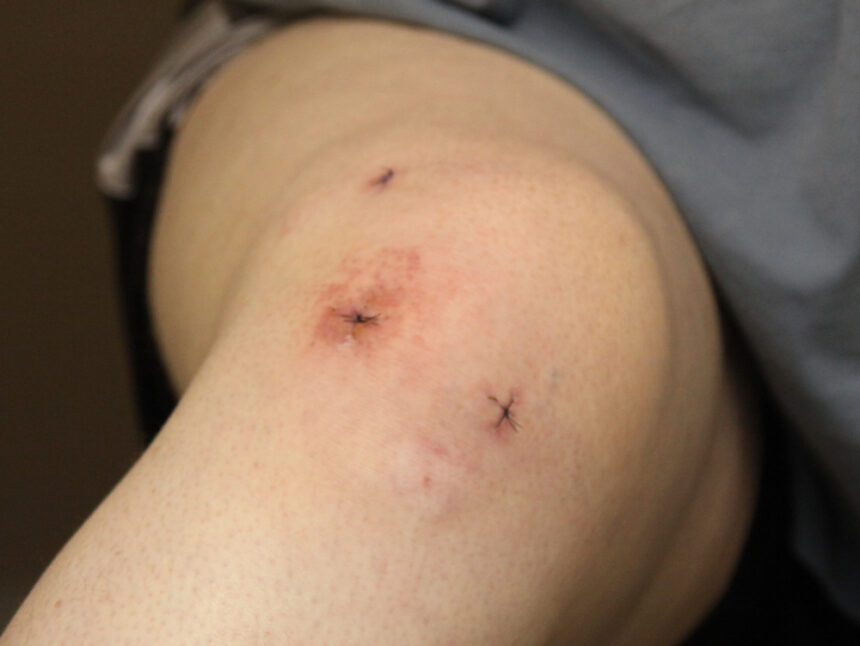
Knee arthroscopy is a minimally invasive surgical procedure; it allows surgeons to diagnose and treat joint problems using a small camera and instruments inserted through tiny incisions. Surgeons may use it for meniscus tears, ligament damage, and cartilage issues. Because the procedure is minimally invasive, patients can go home the same day and return to daily activities quickly, depending on the extent of repair performed. Here is more information on what knee arthroscopy involves, who benefits from it, and what recovery typically looks like:
What Is Knee Arthroscopy?
Knee arthroscopy is a surgical technique that uses a small camera, called an arthroscope, to examine and treat problems inside the knee joint. The surgeon inserts the arthroscope through a small incision, and the joint images are projected onto a monitor for real-time visualization. Since additional small incisions allow the surgeon to insert instruments, the surgeon can repair damaged tissue precisely during the same procedure.
Who Does It Help?
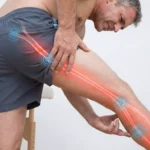
Orthopaedic surgeons recommend knee arthroscopy for patients with specific joint conditions that have not responded to nonsurgical treatment. Common candidates include:
- Those with torn meniscus cartilage, damaged ligaments such as the ACL, or loose fragments of bone or cartilage within the joint
- Patients experiencing swelling, inflammation, or unexplained knee pain who require a diagnostic evaluation
- Athletes recovering from sports injuries who require a shorter recovery timeline
Age and activity level help determine whether a patient is a suitable candidate for this procedure.
What Does the Process Involve?
The procedure begins with anesthesia, and once the anesthesia takes effect, the surgeon proceeds. The surgeon makes a few small incisions around the knee, and they insert the arthroscope through one of these openings. This allows the surgical team to view the joint’s interior in real time.
Surgeons may identify issues that require immediate intervention. If the team detects damage, they may trim cartilage, repair ligaments, or remove loose debris through the same small incisions. Knee arthroscopies take around one to two hours to complete. This procedure rarely requires an overnight hospital stay, and patients typically return home the same day.
What Is Recovery Like?
Since the repairs performed during surgery differ in type and complexity, recovery timelines vary accordingly. Patients who underwent simple diagnostic arthroscopy often resume light activities within days, while those who had more involved repairs may need several weeks or months before returning to full activity. Ligament reconstruction may require an extended rehabilitation period.
Swelling and mild discomfort are common in the first few days after surgery, and patients should expect some limited mobility during this period. Surgeons may recommend elevating the leg and applying ice to reduce swelling. Following a prescribed physical therapy plan is key, as it helps restore strength and range of motion while supporting a safe and structured recovery.
Attending follow-up appointments allows the surgical team to monitor healing progress; these visits also provide an opportunity to adjust rehabilitation plans as needed. When patients skip physical therapy, their recovery may be delayed because they miss exercises that support healing and mobility. Returning to activity too soon increases the risk of reinjury. Patients should follow the timelines their surgical team provides.
Know What To Expect
Knee arthroscopy offers a minimally invasive way to diagnose and treat a range of joint conditions, from torn cartilage to ligament damage. Understanding the steps involved can help patients prepare for the procedure. Recovery varies by individual, but following post-surgical instructions closely supports better outcomes. If you are preparing for knee arthroscopy, discuss your specific procedure with your orthopaedic surgeon.